Shop this guide
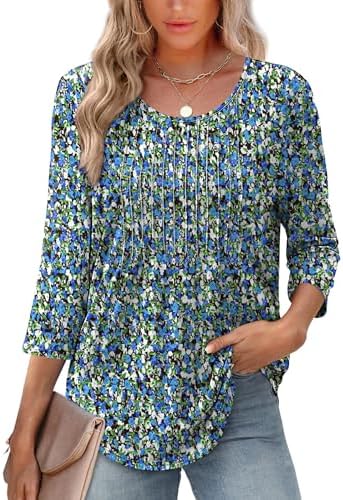
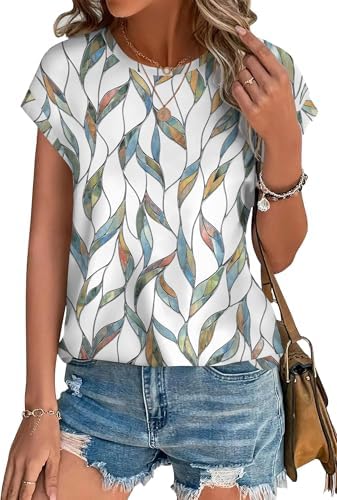
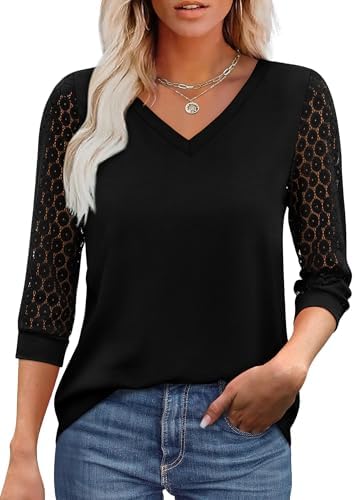
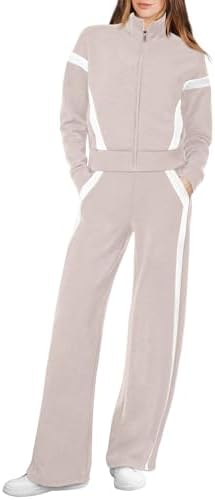
The pieces this guide keeps pointing at, from the XIEERDUO range.
Style Guide · Styling
Most people do not have time to change. The top has to do the changing.
Three things, and none of them is the print. The fabric has to resist creasing where you sit against it. The armhole has to let you reach a keyboard without dragging the whole front up. And the neckline has to stay where you put it when you lean forward, because you will lean forward roughly two hundred times.
A 3/4 sleeve is the workhorse. It reads more considered than short sleeves, it clears a desk and a sink, and it does not need a jacket to look finished. Puff and cap sleeves push the top toward the evening end without any effort from you. Long sleeves are the most formal and the least practical in a warm room.
A full tuck reads formal and needs a top cut long enough to stay in. A front tuck, just the center panel pushed in, reads relaxed and works on tops that are slightly too short to tuck properly. No tuck at all works only if the hem hits at the right place on your hip, which is a length question, not a styling one. Decide which tuck you are doing before you decide the size.
Removing the blazer is a third swap and it is free, which is why the blouse underneath should be able to stand alone in the first place.
Rayon and modal blends drape and stay cool through a day at a desk, but they crease if you sit crushed against a chair back for hours. Polyester-blend wovens hold a smooth face all day and breathe less. Cotton wrinkles honestly and looks fine doing it. There is no perfect answer, only the one that matches your chair.
Muted neutrals, deep tones and small prints all move between contexts without comment. A bright print reads specific, which is fine when the day is specific and awkward when it is not. If you are buying one blouse to do this job, buy the quiet one.
The pieces this guide keeps pointing at, from the XIEERDUO range.